Release time:2024-02-10 Browse:2631
At present, global economic development is facing unprecedented challenges. China has done a solid job in stabilizing employment, finance, foreign trade, foreign capital, investment and expectations, and comprehensively implemented the tasks of ensuring employment, basic livelihood, market players, food and energy security, industrial chain supply chain stability, and grassroots operations. These are all major measures to overcome the adverse effects of the COVID-19 and stabilize economic and social operations.
For the logistics industry, it is necessary to accelerate the recovery of the industry, make every effort to ensure the stability of the industrial and supply chains, make the Chinese economy more resilient, and have smoother internal and external circulation, so as to turn danger into opportunity and achieve stability and prosperity.
Be a good barometer of economic and social development
The passenger flow and logistics are like the "two arteries" of the entire country's body, and the quality of their operation directly affects the health of the entire country. We often measure macroeconomic performance through major indicators such as electricity consumption, railway freight volume, and loan issuance. In fact, the main indicators of the logistics industry are also a barometer for observing economic and social development.
The impact of the epidemic on the economy and society is most directly reflected in logistics. The growth rate of the logistics market slowed down significantly in the first quarter, with a total social logistics volume of 56 trillion yuan nationwide, a year-on-year decrease of 7.5%. Among them, the total amount of industrial logistics decreased by 8.4% year-on-year; The business volume of express delivery service enterprises nationwide reached 12.53 billion, a year-on-year increase of 3.2%; The business revenue reached 153.4 billion yuan, a year-on-year decrease of 0.6%. The growth rates of express delivery business volume in January were -16.4% and -16.1%, 0.2% and 4.1% in February, and 23% and 12.3% in March, respectively.
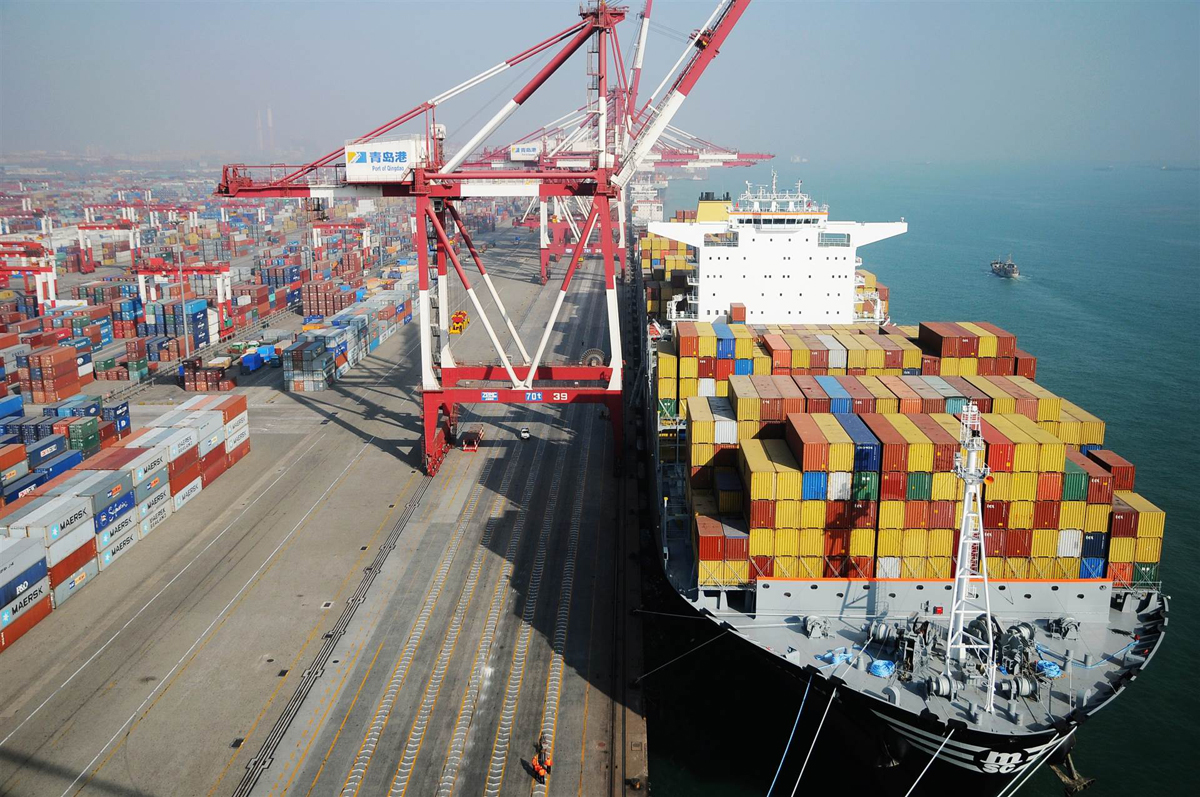
Through logistics as a "window", one can also observe the changes in the impact of the epidemic on the economy and society, the situation of comprehensive resumption of production and work, and the overall trend of economic development. The significant decrease in industrial logistics business volume indicates that the epidemic has had a significant impact on the real economy, especially the industrial economy. Compared to express logistics, the impact is relatively small and the growth rate has returned to a high level.
In April, the collection and delivery volume of the express delivery industry have returned to normal levels. At present, the daily average size of mail parcels has increased from 10 million in early February to 200 million, indicating that with the resumption of upstream and downstream work and production and the release of market demand, the growth rate of express logistics has significantly accelerated. The growth rate of retail logistics will inevitably be transmitted to industrial logistics, promoting the gradual repair of the entire industrial and supply chains.
At present, China is accelerating the establishment of an economic and social operating order that is compatible with epidemic prevention and control, comprehensively promoting the resumption of work and production, and striving to minimize the losses caused by the epidemic. The logistics industry needs to ensure that bulk logistics, express logistics, and express logistics work together under the strategic leadership of "opening up the main artery and promoting microcirculation", and make greater contributions to the coordinated promotion of epidemic prevention and control and sustainable economic and social development.
Address:Room 1201-1, No. 456 Taikang Middle Road, Shounan Street, Yinzhou District, Ningbo City, Zhejiang Pr
Telephone:15906590981
Mailbox:tony@fuyang-supply.com

Ningbo Fuyang Supply Chain

 Service hotline: